
The Gaban: A Blend of Tradition and Modernity
- maxoceguera
- Apr 20
- 4 min read
Updated: May 4
Origins of the Gaban
The gaban originates from indigenous communities in the Andean regions of South America, particularly in countries like Peru, Bolivia, and Ecuador. It is a type of poncho or cloak traditionally worn by men and women to protect against the cold mountain climate. The garment is typically made from wool, often alpaca or llama, prized for its warmth and durability.
Historically, the gaban served both practical and social purposes. It was a protective layer against harsh weather but also a marker of identity. Different communities developed their own styles, weaving techniques, and motifs that reflected their environment, beliefs, and social status. The gaban was more than clothing; it was a storytelling canvas.
Meaning Behind the Gaban
The gaban carries symbolic meanings tied to the culture and beliefs of the people who wear it. The patterns and colors are not random; they often represent natural elements, spiritual ideas, or community values. For example:
Geometric patterns may symbolize mountains, rivers, or agricultural fields.
Animal motifs often represent qualities admired by the community, such as strength, wisdom, or protection.
Colors can indicate social rank, marital status, or regional origin.
In many Andean cultures, animals like the condor, puma, and serpent appear frequently in embroidery. The condor symbolizes freedom and the connection between the heavens and earth. The puma stands for power and courage, while the serpent represents renewal and fertility. These symbols connect the wearer to nature and ancestral traditions.
Patterns and Animal Embroidery in the Gaban
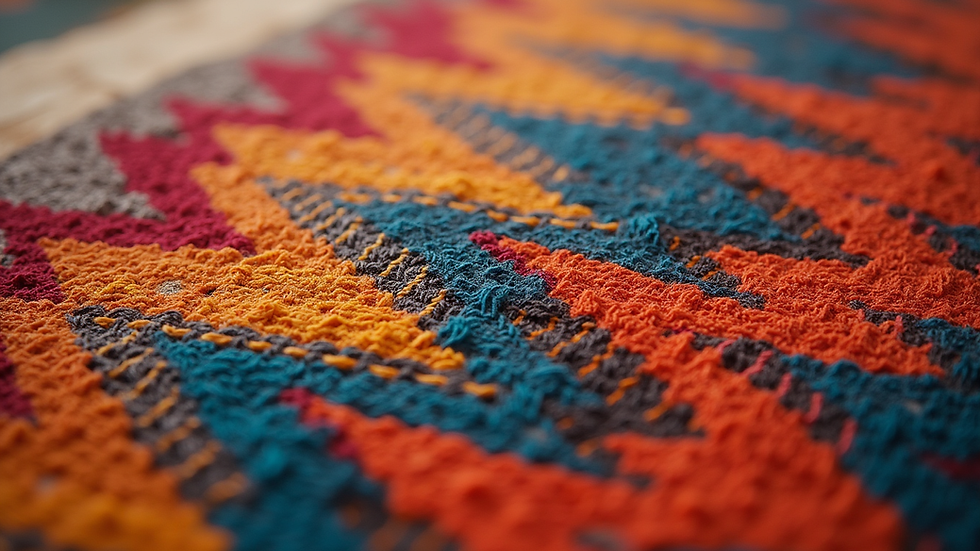
The embroidery on a gaban is a key feature that distinguishes one garment from another. Artisans use vibrant threads to create detailed images of animals and geometric shapes. Each design has a story or meaning, often passed down through generations.
Condor embroidery: Usually placed on the back or shoulders, it signifies protection and spiritual guidance.
Puma designs: Often found near the chest area, symbolizing strength and leadership.
Serpent motifs: Winding patterns that represent life cycles and transformation.
The patterns also vary depending on the community and the occasion for which the gaban is made. Some are designed for everyday use, while others are reserved for festivals, ceremonies, or important social events.
The Gaban in Contemporary Fashion
In recent years, the gaban has gained attention beyond its traditional context. Designers and fashion enthusiasts appreciate its unique aesthetic and cultural significance. The garment has been adapted into modern styles, worn as a statement piece that honors heritage while fitting into everyday wardrobes.
Contemporary uses of the gaban include:
Fashion outerwear: Modern gabans are tailored with updated cuts and materials, making them versatile for urban wear.
Runway inspiration: Designers incorporate traditional patterns and embroidery into jackets, capes, and scarves.
Cultural fusion: The gaban is paired with contemporary clothing to create looks that celebrate indigenous identity and global fashion trends.
This resurgence helps preserve the craft of gaban-making and supports indigenous artisans. It also raises awareness about the cultural stories embedded in the garment.
How to Wear a Gaban Today
Wearing a gaban today can be both a fashion choice and a way to connect with cultural heritage. Here are some tips for styling a gaban:
Pair it with simple, solid-colored clothing to let the patterns stand out.
Use it as a layering piece during cooler months for warmth and style.
Choose gabans with authentic embroidery to support traditional craftsmanship.
Mix with modern accessories like boots, hats, or belts for a balanced look.
Whether worn casually or for special occasions, the gaban adds a unique touch that blends history with modern fashion.

The Cultural Significance of the Gaban
The gaban is not just a piece of clothing; it is a bridge between past and present. It embodies the stories, struggles, and triumphs of the communities that create it. Wearing a gaban is a way to honor these traditions while embracing modernity.
By choosing to wear a gaban, I celebrate the artisans who pour their heart and soul into each piece. Their craftsmanship reflects a deep connection to their heritage. This connection is vital in a world that often prioritizes fast fashion over meaningful choices.
Supporting Artisan Communities
When I wear a gaban, I also support the communities that produce these beautiful garments. Purchasing authentic pieces helps sustain traditional craftsmanship. It empowers artisans and ensures that their skills are passed down to future generations.
Moreover, by sharing the story of the gaban, I contribute to a greater appreciation for cultural heritage. It is essential to recognize the value of handmade items that tell a story. Each gaban carries with it the spirit of its creator and the culture it represents.
Final Thoughts
The gaban is a remarkable garment that weaves together history, culture, and modern fashion. Its rich symbolism and intricate designs make it a unique addition to any wardrobe. As I explore the world of fashion, I find joy in connecting with the stories behind each piece. The gaban is more than just clothing; it is a celebration of heritage and artistry.
In a world where trends come and go, the gaban stands as a testament to the beauty of tradition. I invite you to discover the gaban for yourself. Embrace its history, wear it with pride, and let it inspire your own unique style.


Comments